
Technology
How Tech Giants Envision Future Beyond Smartphones

Introduction
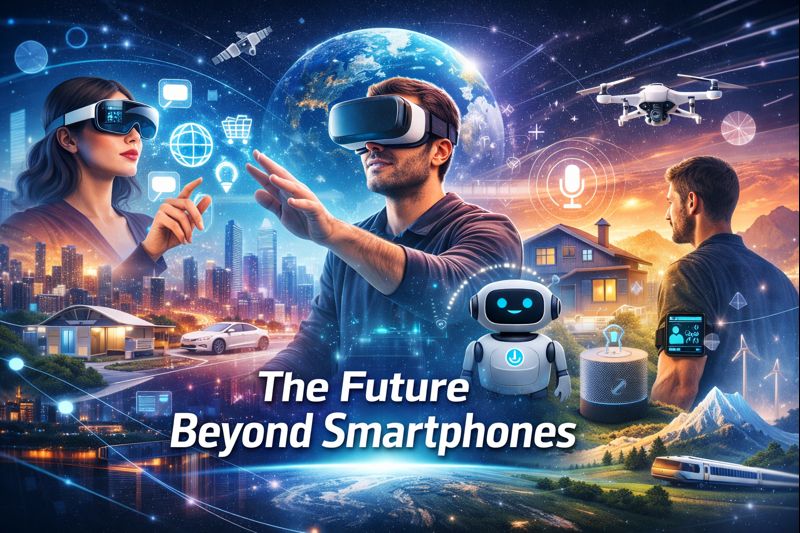
For more than a decade, smartphones have shaped how people communicate, work, shop, and relax. Yet the most powerful companies in the world are quietly preparing for what comes next. Today, tech giants envision future beyond smartphones as screens shrink, interfaces disappear, and digital experiences blend into everyday life. This shift isn’t about abandoning phones overnight. It’s about redefining human–technology relationships in ways that feel more natural, immersive, and intelligent.
In this article, you’ll explore why leading technology companies believe the smartphone era is approaching a turning point, what innovations are taking its place, and how these changes may affect daily life, business, and society. From spatial computing to artificial intelligence-driven assistants, the future is already being built—and it looks very different from the device in your pocket.
The Smartphone Era: A Brief Context
The smartphone became dominant because it solved many problems at once. It replaced cameras, music players, maps, wallets, and even laptops for many tasks. Touchscreens made technology accessible to billions of people, while app ecosystems unlocked endless services. For years, innovation meant thinner phones, better cameras, and faster processors.
However, progress has slowed. Annual upgrades now feel incremental rather than revolutionary. Battery limits, screen size constraints, and attention fatigue have pushed innovation toward a ceiling. This doesn’t mean smartphones are disappearing. Instead, they’re becoming just one node in a much larger ecosystem of connected experiences.
Major Tech Players Shaping the Post-Smartphone Vision
Before diving deeper, it helps to understand which companies are driving this transformation and where they’re placing their bets.
Snapshot of Leading Companies and Their Future Focus
| Company | Primary Post-Smartphone Focus | Long-Term Vision |
|---|---|---|
| Apple | Spatial computing, wearables | Seamless digital-physical experiences |
| Ambient AI, voice interfaces | Computing that fades into the background | |
| Meta | Virtual and augmented reality | Social interaction beyond screens |
| Microsoft | Mixed reality, cloud platforms | Productivity across any environment |
| Amazon | Voice-first ecosystems | Invisible, always-available assistance |
Each company approaches the future differently, yet they share one belief: screens alone won’t define tomorrow’s technology.
Why Tech Giants Envision Future Beyond Smartphones
Saturation and Slowing Innovation
The global smartphone market has matured. Most people who want a smartphone already own one, and replacement cycles are getting longer. Innovation hasn’t stopped, but breakthroughs are rarer. This economic reality pushes companies to explore new platforms that can drive growth and excitement.
Human Limitations with Screens
Screens demand attention. Constant notifications, endless scrolling, and digital overload have created fatigue. Tech leaders recognize that future devices must respect human focus rather than compete for it. That’s why hands-free, voice-driven, and context-aware systems are gaining momentum.
The Rise of Ambient Computing
Ambient computing refers to technology that blends into the environment and responds naturally to human behavior. Instead of pulling out a device, people interact through gestures, voice, or even eye movement. This concept sits at the heart of how tech giants envision future beyond smartphones.
Spatial Computing and Extended Reality
From Flat Screens to Digital Space
Spatial computing moves digital content into three-dimensional space. Rather than viewing information on a phone, users experience it around them. This shift changes how people learn, collaborate, and create. Digital objects can sit on a desk, float in a room, or appear at life-size scale.
Virtual Reality and Presence
Virtual reality creates fully immersive environments. Early versions focused on gaming, but newer applications include training, therapy, and remote collaboration. Imagine attending a meeting where participants feel physically present despite being continents apart.
Augmented Reality in Daily Life
Augmented reality overlays digital information onto the real world. Navigation arrows appear on sidewalks. Repair instructions hover over machines. Shopping becomes interactive as products appear in your living room before purchase. These experiences reduce reliance on handheld screens.
Wearables as the New Personal Hub
Smartwatches and Health Monitoring
Wearables already play a growing role in daily life. Smartwatches track heart rates, sleep patterns, and activity levels. Over time, they may become central hubs for personal data, quietly managing health and wellness without constant interaction.
Smart Glasses and Subtle Interfaces
Smart glasses aim to deliver information at a glance. Directions, messages, and reminders appear in the user’s field of vision. Unlike phones, these devices don’t demand constant attention. They offer help only when needed.
Emotional Connection Through Design
Wearables are personal. They touch the body, follow daily routines, and reflect individual style. Companies invest heavily in comfort, aesthetics, and emotional resonance, understanding that adoption depends on trust and intimacy.
Artificial Intelligence as the Invisible Interface
From Apps to Assistants
Apps require users to search, tap, and navigate. Intelligent assistants flip this model. Users speak naturally, and systems respond intelligently. Over time, assistants may anticipate needs before users ask, making interaction smoother and faster.
Context Awareness and Prediction
Future systems will understand context. They’ll know whether someone is driving, working, or relaxing. This awareness allows technology to respond appropriately, offering help without interruption. It’s a shift from reactive tools to proactive companions.
Trust and Transparency Challenges
As AI becomes more embedded, trust becomes critical. Users must feel confident that systems respect privacy and act in their best interest. This balance will shape how quickly people embrace post-smartphone technologies.
The Internet of Things and Connected Environments
Homes That Respond
Smart homes already adjust lighting, temperature, and security. In the future, these systems will feel more intuitive. Homes will learn preferences over time, responding automatically rather than requiring commands.
Cities as Intelligent Systems
Connected infrastructure can improve traffic flow, energy use, and public safety. Sensors and data analytics allow cities to adapt dynamically, creating smoother urban experiences without relying on personal devices.
Workplaces Without Screens
In industrial and professional settings, connected environments reduce friction. Workers receive information through voice prompts or visual overlays, keeping hands free and attention focused.
Comparing Smartphone-Centric vs Post-Smartphone Experiences
| Aspect | Smartphone-Centric World | Post-Smartphone Vision |
|---|---|---|
| Interaction | Touch and apps | Voice, gesture, presence |
| Attention | Screen-focused | Context-aware, subtle |
| Portability | Single device | Distributed across wearables |
| Experience | Isolated | Integrated with environment |
This comparison highlights a fundamental shift. The future isn’t about replacing phones overnight. It’s about reducing dependency on them.
Cultural and Social Implications
Redefining Digital Etiquette
As interfaces become less visible, social norms will evolve. Talking to an assistant in public may feel normal. Wearing smart glasses may raise new etiquette questions. Society will adapt, just as it did with smartphones.
Accessibility and Inclusion
Post-smartphone technology can empower people with disabilities. Voice control, visual overlays, and haptic feedback create inclusive experiences that traditional screens couldn’t always support.
Digital Well-Being
By reducing screen time and notification overload, future systems may support healthier relationships with technology. This goal aligns with growing public concern about mental health and attention.
Challenges Facing the Post-Smartphone Future
Technical Barriers
Battery life, processing power, and connectivity still limit wearables and immersive devices. Solving these challenges requires breakthroughs in hardware and energy efficiency.
Privacy and Surveillance Concerns
Always-on devices raise questions about data collection. Transparent policies and strong safeguards will determine public acceptance.
Adoption and Cost
New platforms often start expensive and niche. Mass adoption depends on affordability, comfort, and clear value in everyday life.
How Tech Giants Envision Future Beyond Smartphones in Practice
Across labs and product launches, a clear pattern emerges. Tech giants envision future beyond smartphones by distributing computing across environments, making interactions more human, and letting technology fade into the background. Phones won’t vanish, but they’ll become secondary tools rather than constant companions.
This vision isn’t science fiction. Early versions already exist in wearables, smart homes, and immersive headsets. The transition will be gradual, shaped by user trust, design choices, and cultural acceptance.
Conclusion
The smartphone transformed the modern world, but its dominance is no longer guaranteed. As innovation slows and human needs evolve, tech giants envision future beyond smartphones that feels more natural, immersive, and supportive. Spatial computing, wearables, artificial intelligence, and connected environments point toward a world where technology adapts to people—not the other way around.
For individuals, this shift promises reduced screen fatigue and richer experiences. For businesses and society, it opens new possibilities for productivity, inclusion, and creativity. The key takeaway is simple: the future of technology isn’t about one device. It’s about many invisible tools working together to enhance everyday life. Staying curious and adaptable will help everyone navigate this next chapter with confidence.
Frequently Asked Questions (FAQs)
1. Will smartphones disappear completely in the future?
Smartphones are unlikely to vanish soon. Instead, they’ll become less central as other devices and interfaces take over many daily tasks.
2. What technologies are replacing smartphones?
Wearables, spatial computing devices, voice assistants, and connected environments are gradually reducing reliance on handheld screens.
3. How soon will post-smartphone technology become mainstream?
Adoption will be gradual over the next decade, as devices improve, costs fall, and users grow comfortable with new interactions.
4. Are there risks in moving beyond smartphones?
Yes, especially around privacy, data security, and social norms. Addressing these concerns is essential for widespread acceptance.
5. How can individuals prepare for this shift?
Staying informed, experimenting with new devices, and developing healthy digital habits can ease the transition.
Introduction
Modern IT environments are no longer simple stacks of servers and switches. They’re living, breathing ecosystems where virtual machines, applications, networks, and storage constantly interact. That complexity is exactly why vrealize infrastructure navigator became such an important tool for virtualization teams. Designed to uncover hidden relationships inside virtualized data centers, it helps administrators see what’s really happening beneath the surface.
In this article, you’ll learn what vrealize infrastructure navigator is, how it works, why it matters, and where it fits in today’s hybrid and virtual infrastructure strategies. Whether you manage a private cloud, support enterprise applications, or design virtual architectures, understanding this tool gives you clarity, confidence, and control.
What Is vRealize Infrastructure Navigator?
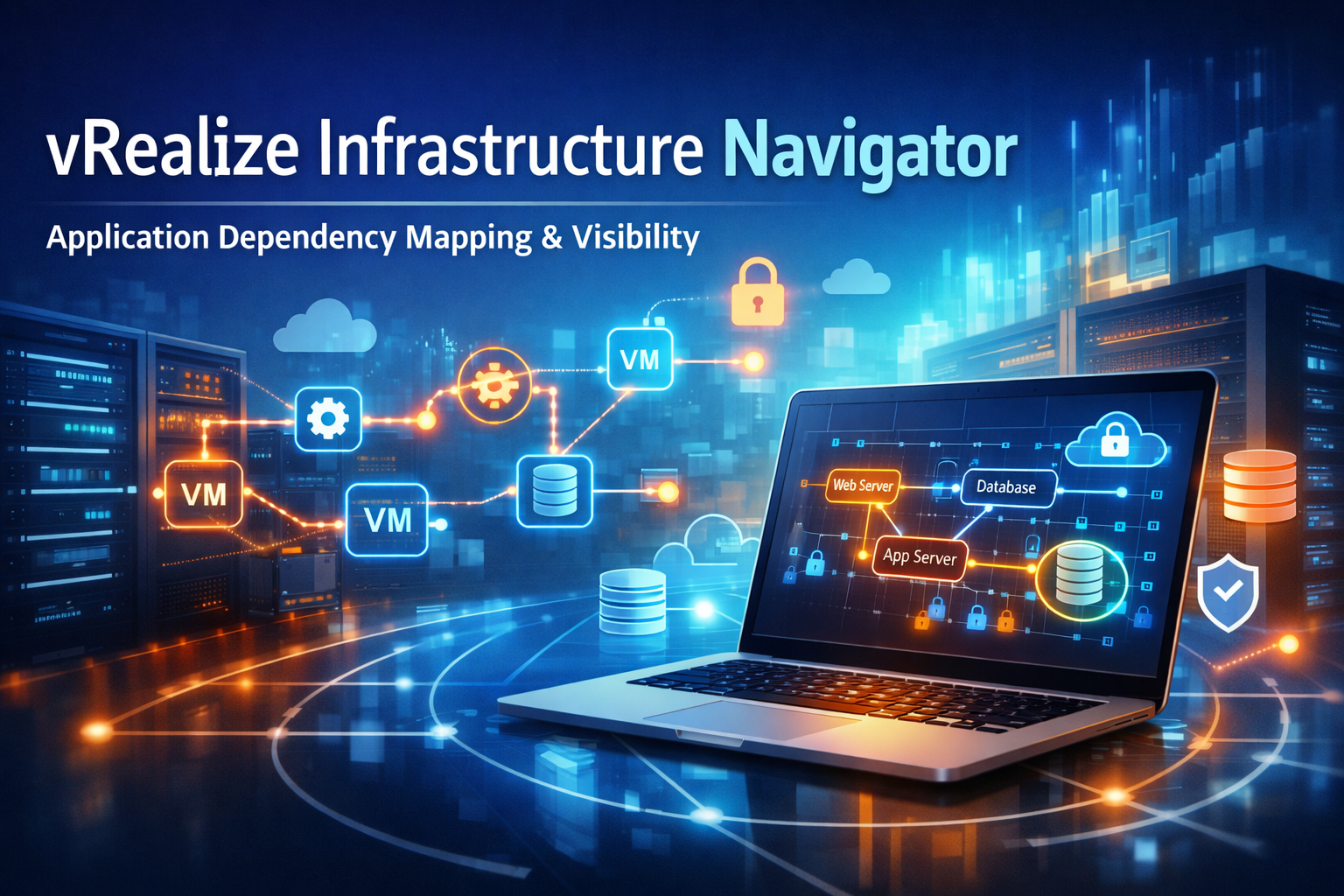
vRealize Infrastructure Navigator is a VMware solution created to provide deep visibility into application services and their dependencies inside a virtualized environment. Instead of relying on manual diagrams or tribal knowledge, it automatically discovers how applications, virtual machines, and services communicate.
At its core, the tool maps relationships. It identifies which virtual machines talk to each other, which services they depend on, and how those connections change over time. This insight is crucial when planning upgrades, troubleshooting outages, or reducing operational risk.
Unlike traditional monitoring tools that focus on performance metrics alone, vRealize Infrastructure Navigator focuses on context. It explains why systems behave the way they do by revealing what’s connected to what.
Platform Overview and Key Details
Before diving deeper, it helps to understand the platform at a glance.
| Attribute | Details |
|---|---|
| Product Name | vRealize Infrastructure Navigator |
| Vendor | VMware |
| Primary Function | Application dependency mapping |
| Deployment Model | Virtual appliance |
| Integration | VMware vCenter Server |
| Target Users | Infrastructure admins, architects, operations teams |
This overview highlights why the tool fits naturally into VMware-based environments. It works alongside existing infrastructure rather than replacing it.
How vRealize Infrastructure Navigator Works
Understanding how the tool operates makes its value much clearer. vRealize Infrastructure Navigator uses agentless discovery to observe network traffic between virtual machines. By analyzing communication patterns, it identifies applications, services, and dependencies without requiring software inside guest operating systems.
This approach reduces overhead and avoids configuration drift. Since the tool relies on observed behavior, it stays accurate even as workloads move or scale.
Once discovered, relationships are visualized directly within vCenter. Administrators can explore dependency maps that show upstream and downstream connections. These maps evolve dynamically, reflecting real-time changes in the environment.
Think of it like a live blueprint of your data center, constantly updating itself as walls shift and doors open.
Why Application Dependency Mapping Matters
In traditional data centers, teams often relied on documentation that aged quickly. Virtual environments change faster, making outdated diagrams dangerous. Application dependency mapping solves this problem by providing continuous awareness.
When teams understand dependencies, they can safely perform maintenance without guessing. They can predict the impact of changes and avoid accidental outages. This becomes especially critical in environments supporting customer-facing or revenue-generating applications.
Dependency insight also supports better collaboration. Network, storage, and application teams can work from the same shared understanding rather than isolated assumptions.
Core Features of vRealize Infrastructure Navigator
The strength of vRealize Infrastructure Navigator lies in how its features work together. Discovery, visualization, and integration combine into a single operational view.
The tool automatically identifies common application services such as web servers, databases, and middleware. It then links these services across virtual machines, forming a dependency graph that’s easy to explore.
Another standout capability is change awareness. When dependencies shift, the maps update accordingly. This keeps administrators informed without manual intervention and reduces blind spots.
Because everything lives inside vCenter, teams don’t need to jump between tools. Context is always close at hand.
Real-World Use Case: Preventing Costly Downtime
Imagine a financial services company preparing to patch its database servers. Historically, this required coordination calls and long maintenance windows. Nobody was fully certain which applications depended on those databases.
By using vrealize infrastructure navigator, the infrastructure team visualized all dependent services ahead of time. They identified a legacy reporting application still relying on the database, something no documentation mentioned.
As a result, they scheduled a targeted maintenance window, informed the right stakeholders, and avoided an outage that could have disrupted end-of-quarter reporting. The visibility paid for itself in a single change cycle.
Integration with VMware Ecosystems
One of the biggest advantages of vRealize Infrastructure Navigator is its tight integration with VMware platforms. It connects seamlessly with vCenter Server, enhancing existing workflows rather than disrupting them.
This integration allows administrators to right-click on virtual machines and instantly view dependency information. Troubleshooting becomes faster because context is always available at the point of action.
When combined with other VMware management tools, the platform contributes to a more holistic operational picture. Each tool provides a different layer of insight, and Infrastructure Navigator fills the critical gap of application relationships.
Benefits for Infrastructure and Operations Teams
Operations teams benefit immediately from better visibility. Instead of reacting to incidents, they can anticipate them. Knowing dependencies helps teams prioritize alerts and focus on issues that truly matter.
Infrastructure architects also gain value. When designing new environments or migrating workloads, they can base decisions on real data instead of assumptions. This leads to more resilient designs and smoother transitions.
Even compliance and risk teams benefit indirectly. Clear visibility into application relationships supports audits, change approvals, and risk assessments with confidence.
vRealize Infrastructure Navigator vs Traditional Monitoring
To understand its unique role, it helps to compare it with more traditional tools.
| Capability | Traditional Monitoring | vRealize Infrastructure Navigator |
|---|---|---|
| Performance Metrics | Yes | Limited |
| Application Dependencies | No | Yes |
| Agentless Discovery | Rare | Yes |
| Change Impact Visibility | Limited | Strong |
| vCenter Integration | Partial | Native |
This comparison shows that Infrastructure Navigator isn’t meant to replace monitoring. Instead, it complements it by adding a layer of understanding that metrics alone can’t provide.
Challenges and Considerations
No tool is perfect, and it’s important to approach adoption realistically. vRealize Infrastructure Navigator is most effective in VMware-centric environments. Organizations with highly heterogeneous platforms may need additional solutions to cover everything.
Another consideration is scope. The tool focuses on network-based relationships, so extremely complex application logic may still require deeper analysis. However, for most operational needs, the insight provided is more than sufficient.
Teams should also invest time in learning how to interpret dependency maps effectively. The value increases significantly when users understand how to translate visual data into action.
Best Practices for Using vRealize Infrastructure Navigator
To get the most out of the platform, teams should treat dependency maps as living assets. Regularly reviewing them during planning sessions helps keep everyone aligned.
It’s also wise to integrate the tool into change management processes. Before making changes, reviewing dependencies becomes second nature and reduces last-minute surprises.
Finally, sharing visibility across teams builds trust. When everyone sees the same data, conversations become more productive and decisions more confident.
The Evolving Role of Dependency Mapping
As infrastructures grow more dynamic, dependency awareness becomes even more critical. Virtual machines move, scale, and change faster than human documentation can keep up with.
Tools like vrealize infrastructure navigator represent a shift toward observational management. Instead of telling systems how they should work, teams observe how they actually work and respond accordingly.
This mindset aligns well with modern operational practices, where adaptability and insight matter more than rigid control.
Conclusion
vRealize Infrastructure Navigator fills a vital gap in virtual infrastructure management by revealing the hidden relationships that keep applications running. Through automated discovery and clear visualization, it transforms complexity into understanding.
By adopting this tool, organizations reduce risk, improve collaboration, and make smarter decisions with confidence. The ability to see dependencies in real time changes how teams approach maintenance, troubleshooting, and design.
For any VMware-based environment seeking clarity and control, vRealize Infrastructure Navigator stands as a powerful ally in navigating modern infrastructure.
Frequently Asked Questions (FAQs)
What is vRealize Infrastructure Navigator mainly used for?
It’s used to automatically discover and visualize application dependencies within virtualized environments, helping teams understand how systems interact.
Does vRealize Infrastructure Navigator require agents?
No, it uses agentless discovery by observing network traffic, which reduces overhead and simplifies deployment.
Who benefits most from this tool?
Infrastructure administrators, operations teams, and architects benefit the most due to improved visibility and safer change planning.
Can it replace performance monitoring tools?
No, it complements them by adding context around relationships rather than focusing on performance metrics alone.
Is vRealize Infrastructure Navigator suitable for large enterprises?
Yes, especially in VMware-centric environments where understanding complex dependencies is critical for stability and growth.

Introduction
The word exhentaime has been quietly circulating across online communities, yet many people still aren’t sure what it really means or why it matters. At first glance, it sounds niche, even obscure. But once you look closer, exhentaime opens a wider conversation about digital culture, artistic expression, fandom behavior, and how adult-oriented animation fits into modern media consumption. This topic isn’t just about content; it’s about how communities form, how creativity evolves, and how cultural boundaries shift in online spaces. In this article, you’ll learn what exhentaime represents, where it comes from, how it’s used today, and why it continues to spark both interest and debate.
What Is Exhentaime?
Exhentaime is an informal term commonly used online to describe a specific corner of animated adult-themed content inspired by Japanese anime aesthetics. While the word itself is not officially defined in dictionaries, it has emerged through user communities as shorthand for a style, category, or platform identity rather than a single brand or product.
What makes exhentaime distinct is not just its adult nature, but its blend of stylized animation, fantasy storytelling, and exaggerated visual design. Unlike traditional adult media, this format leans heavily on narrative, character development, and artistic themes drawn from anime and manga culture. Many users are drawn to it because it feels more imaginative and story-driven than conventional alternatives.
It’s also important to understand that exhentaime is often used as a label rather than a strict definition. Different communities may use the term in slightly different ways, depending on context and intent.
Origins and Cultural Background of Exhentaime
To understand exhentaime properly, you have to look at the broader evolution of anime-inspired media. Japanese animation has always explored a wide range of themes, from lighthearted adventures to deeply mature stories. As anime spread globally, fans began creating and curating content that reflected their personal tastes, including adult-oriented interpretations.
Exhentaime grew out of this environment. Online forums, fan sites, and digital platforms allowed niche interests to thrive without needing mainstream approval. Over time, the term became a convenient way to group certain types of animated adult content that shared common visual and thematic traits.
Culturally, this reflects a shift in how audiences engage with media. Viewers are no longer passive consumers. They remix, reinterpret, and rename content to fit their communities. Exhentaime is a product of that participatory culture.
Quick Overview of Exhentaime
| Aspect | Description |
|---|---|
| Content Type | Anime-inspired adult animation |
| Primary Appeal | Artistic style and fantasy narratives |
| Audience | Adult viewers within anime fandoms |
| Cultural Roots | Online fan communities and digital media |
| Usage | Informal term, not an official category |
This overview helps frame exhentaime as a cultural label rather than a rigid definition.
Why Exhentaime Attracts Attention
One reason exhentaime stands out is emotional engagement. Many viewers feel a stronger connection to animated characters than to live-action performances. Animation allows for exaggerated expressions, impossible worlds, and symbolic storytelling that resonate on a different level.
Another factor is accessibility. Animated content can be produced and distributed more easily in digital spaces. This lowers barriers for creators and encourages experimentation. As a result, exhentaime often explores themes that mainstream media avoids or oversimplifies.
There’s also a sense of community. Fans who enjoy this niche often interact through comments, discussions, and fan creations. That shared interest builds identity and belonging, which keeps the term alive and evolving.
Ethical and Social Considerations
Any discussion of exhentaime must acknowledge the ethical questions surrounding adult animated content. Critics often worry about normalization, representation, and boundaries between fantasy and reality. Supporters, on the other hand, argue that fictional animation allows for safe exploration of ideas without real-world harm.
The key issue lies in responsibility. Viewers and creators alike need to be aware of cultural sensitivities, legal standards, and personal limits. Healthy engagement means understanding that animation, while fictional, still influences perceptions and attitudes.
This balance between creative freedom and social responsibility is part of why exhentaime remains a topic of debate rather than a settled concept.
Exhentaime and Digital Creativity
From a creative standpoint, exhentaime showcases how digital tools empower artists. Animation software, online distribution, and global communities allow creators to experiment with style and storytelling. Many works associated with this term are passion projects rather than commercial ventures.
This creativity isn’t limited to one genre or mood. Some stories focus on fantasy worlds, others on emotional drama or humor. The common thread is visual expression rooted in anime-inspired design.
In this sense, exhentaime represents a broader trend: the blending of art, technology, and niche interests into new forms of media expression.
Comparison With Other Animated Adult Content
| Feature | Exhentaime | Traditional Adult Animation |
|---|---|---|
| Visual Style | Anime-inspired | Varies widely |
| Story Focus | Often narrative-driven | Often minimal |
| Community Role | Strong fan interaction | Limited |
| Cultural Roots | Anime and manga fandom | General animation |
This comparison shows why some viewers gravitate toward exhentaime. It offers a more immersive and stylistically consistent experience.
Legal Awareness and Viewer Responsibility
Laws around adult animated content vary widely by region. What’s acceptable in one country may be restricted in another. Anyone engaging with exhentaime-related material should be aware of local regulations and platform rules.
Beyond legality, personal responsibility matters. Consuming content mindfully, respecting creators, and understanding the difference between fiction and reality are essential habits. These practices help keep digital communities healthier and more sustainable.
The Future of Exhentaime
As digital culture continues to evolve, so will terms like exhentaime. New technologies, changing social norms, and shifting audience expectations all influence how niche content develops. It’s likely that the term will either broaden in meaning or be replaced by new labels created by future communities.
What will remain constant is the human desire for storytelling, expression, and connection. Exhentaime is simply one example of how those desires manifest in the digital age.
Conclusion
Exhentaime is more than a buzzword. It represents a unique intersection of animation, adult themes, online community, and creative freedom. Throughout this article, we explored its meaning, cultural roots, ethical considerations, and evolving role in modern media. Understanding this concept helps you better grasp how niche interests grow and shape digital spaces.
The takeaway is simple: approach such content with awareness and curiosity. Recognize the creativity involved, respect boundaries, and stay informed. By doing so, you can engage thoughtfully with evolving forms of digital expression and make more confident, responsible choices online.
Frequently Asked Questions (FAQs)
What does exhentaime actually mean?
It’s an informal term used online to describe anime-inspired adult animated content, shaped by fan communities rather than official definitions.
Is exhentaime a specific website or platform?
No, it’s more of a label or category. Different people use it to refer to a style or type of content rather than one single site.
Why do people prefer animated adult content over live action?
Many enjoy the creative freedom, fantasy elements, and emotional storytelling that animation allows compared to live-action formats.
Is engaging with exhentaime content legal?
Legality depends on your location and the specific material. Always be aware of local laws and platform guidelines.
Will exhentaime continue to grow in popularity?
As long as online communities value creative expression and niche interests, similar terms and formats are likely to keep evolving.
Introduction
In today’s creator-driven internet, audiences want more than passive content—they want connection, access, and community. That shift has given rise to platforms and concepts designed to bring creators and supporters closer together, and garforfans sits right at the center of that evolution. Whether you’re a creator looking for sustainable ways to engage your audience or a fan who wants to support people you genuinely admire, garforfans represents a growing model of mutual value and digital belonging. In this article, you’ll learn what garforfans is, how it works, why it matters across multiple industries, and how both fans and creators can benefit from it in practical, real-world ways.
What Is Garforfans?
Garforfans can be understood as a modern fan-support ecosystem that focuses on direct relationships between creators and their audiences. Instead of relying solely on ads or indirect monetization, this model emphasizes voluntary fan participation, exclusive access, and community-driven value.
At its core, garforfans is about removing distance. Fans aren’t just viewers or followers; they become active supporters who help creators thrive. Creators, in turn, offer deeper engagement, behind-the-scenes insights, or personalized experiences that aren’t available elsewhere. This exchange creates trust, loyalty, and long-term sustainability.
While the name may sound niche, the idea behind garforfans is broad and flexible. It can apply to artists, educators, entertainers, fitness coaches, writers, gamers, or even small brands that want to build a devoted audience rather than chase viral attention.
Quick Overview of Garforfans
| Aspect | Description |
|---|---|
| Core Purpose | Strengthen creator–fan relationships |
| Primary Users | Creators, fans, communities |
| Main Value | Direct support, exclusivity, interaction |
| Monetization Style | Voluntary fan contributions or memberships |
| Industry Reach | Entertainment, education, lifestyle, and more |
This overview shows why garforfans isn’t locked into a single niche. It adapts to different creative goals and audience expectations.
Why Garforfans Matters in the Digital Age
The internet used to reward scale above all else. Bigger audiences meant better outcomes. Today, that model is changing fast. People value authenticity, transparency, and meaningful interaction. Garforfans matters because it aligns with how people actually want to engage online.
Fans no longer want to feel like numbers. They want to be recognized, heard, and appreciated. Creators want independence and stability instead of constantly chasing algorithms or brand deals. Garforfans meets both needs by encouraging direct, human-centered support.
This shift also reduces burnout. When creators know exactly who supports them and why, their work feels more purposeful. Fans, on the other hand, feel pride in helping something they care about grow.
How Garforfans Works for Creators
Building Direct Relationships
For creators, garforfans starts with ownership of their audience relationship. Instead of posting into a void, creators interact with people who have chosen to support them directly. This leads to more meaningful conversations and better feedback.
Creators can share content that feels personal without worrying about mass appeal. That freedom often results in higher-quality work and stronger creative identity.
Sustainable Income Without Pressure
One of the biggest benefits of garforfans is predictability. Even small, consistent fan support can add up over time. Creators don’t need millions of followers; they need a few hundred dedicated supporters who believe in their work.
This model reduces pressure to constantly sell or promote. Support becomes a shared journey rather than a transaction.
How Garforfans Benefits Fans
Feeling Like a True Insider
Fans using garforfans often describe the experience as being “closer” to the creator. They get insights, early access, or exclusive content that feels meaningful rather than promotional.
That sense of belonging matters. Supporting a creator through garforfans feels less like spending money and more like joining a community.
Supporting What You Believe In
Many fans enjoy knowing exactly where their support goes. Instead of funding large platforms or advertisers, they directly help creators continue their work. That transparency builds trust and emotional connection.
In many cases, fans also influence future content by giving suggestions or feedback, making the experience collaborative.
Common Use Cases Across Different Fields
Garforfans is intentionally flexible, which is why it appears in so many areas. Artists use it to fund new projects, educators use it to share premium lessons, and entertainers use it to connect beyond public feeds.
A fitness coach might offer personalized routines to supporters. A writer might share early drafts or private essays. A musician could release demo tracks or host small virtual sessions. The possibilities depend more on creativity than category.
This adaptability is one of the strongest arguments for garforfans as a long-term digital model.
Garforfans vs Traditional Fan Models
| Feature | Traditional Fan Model | Garforfans Model |
|---|---|---|
| Fan Role | Passive consumer | Active supporter |
| Creator Income | Ads or sponsors | Direct fan support |
| Interaction Level | Limited | High and personal |
| Community Feeling | Weak | Strong and shared |
This comparison highlights why many creators are shifting toward garforfans-style approaches. The relationship feels more balanced and human on both sides.
Trust, Transparency, and Community
Trust is the foundation of garforfans. Fans support creators because they trust them, and creators respect that trust by being transparent and consistent. This mutual respect creates healthy online spaces that feel safer and more welcoming.
Community also plays a big role. Fans often interact with each other, not just the creator. Over time, these communities become support networks built around shared interests and values.
When done right, garforfans doesn’t just fund content—it builds culture.
Real-World Example: A Small Creator’s Growth Story
Consider a digital illustrator who struggled to gain attention on large platforms. Instead of chasing trends, they focused on a small but loyal audience through a garforfans-style setup. Supporters received monthly sketches, progress updates, and voting power on future projects.
Within a year, the illustrator didn’t just earn steady income; they built confidence and creative direction. Fans felt proud to be part of that journey. This kind of outcome shows the real potential behind garforfans when expectations are realistic and communication is honest.
Challenges and Limitations to Consider
Garforfans isn’t a magic solution. It requires consistency, communication, and patience. Creators must deliver value without overpromising, and fans must understand that support doesn’t mean ownership or control.
There can also be emotional labor involved. Managing a close-knit community takes time and boundaries. Successful creators often set clear expectations early to avoid burnout.
Understanding these challenges helps keep the experience healthy and sustainable for everyone involved.
The Future of Garforfans-Style Platforms
As digital relationships continue to evolve, models like garforfans are likely to grow. People are moving away from faceless systems toward intentional communities. Technology may change, but the desire for connection will remain constant.
Future versions of garforfans may include better community tools, more creative collaboration features, or deeper personalization. What won’t change is the core idea: people supporting people directly.
That human-first approach is what gives garforfans lasting relevance.
Conclusion
Garforfans represents more than a platform or concept—it reflects a shift in how creators and fans relate in the modern digital world. By focusing on direct support, transparency, and genuine connection, it offers an alternative to impersonal, mass-driven systems. Creators gain stability and creative freedom, while fans enjoy meaningful involvement and a sense of belonging. The key takeaway is simple: when support is built on trust and shared value, everyone benefits. Garforfans shows that sustainable creativity doesn’t require massive audiences—just real relationships.
Frequently Asked Questions (FAQs)
What exactly is garforfans?
Garforfans is a fan-support model that emphasizes direct relationships between creators and their audiences through community and exclusive engagement.
Is garforfans limited to entertainment creators?
No, it can be used by educators, artists, coaches, writers, and many other types of creators across different fields.
Do fans have to pay to participate?
Support is usually voluntary, and creators often offer both free and supporter-only experiences.
Can small creators succeed with garforfans?
Yes, many small creators thrive by focusing on a loyal audience rather than a large following.
What makes garforfans different from traditional platforms?
The main difference is direct support, deeper interaction, and a stronger sense of community between fans and creators.

Protocolo Operacional Padrao: How to Standardize Work That Actually Works

vRealize Infrastructure Navigator: Deep Visibility for Modern Virtual Environments

Exhentaime Explained: Culture, Meaning, and Modern Impact

How Tech Giants Envision Future Beyond Smartphones

ConnectionCafe.com: A Modern Space for Meaningful Connections
