
Travel
Delta Flight DL275 Diverted LAX: What Really Happened


Introduction
When news broke that delta flight dl275 diverted lax, travelers across the globe paused and paid attention. Flight diversions always spark concern because they raise immediate questions about safety, airline decision-making, and passenger experience. For frequent flyers, such events can feel unsettling. For occasional travelers, they may even trigger anxiety about air travel itself.
This article takes a deep, clear-eyed look at the Delta Flight DL275 diversion to Los Angeles International Airport (LAX). It explains what flight diversions really mean, explores the possible reasons behind this incident, and breaks down what passengers typically experience when a diversion happens. By the end, readers will understand why diversions occur, how airlines handle them, and why they’re often a sign that safety systems are working exactly as intended.
Understanding Delta Flight DL275 and Its Route
Before diving into why delta flight dl275 diverted lax, it helps to understand the flight itself and the nature of its journey. DL275 is a long-haul international Delta Air Lines flight that usually operates between Asia and the United States. Long-distance flights like this cross vast stretches of ocean and involve complex planning, multiple contingency airports, and constant monitoring.
International routes demand additional precautions. Crews must consider fuel reserves, weather patterns, medical readiness, and mechanical reliability for many hours in the air. When something changes mid-flight, the safest option may be to land at the nearest suitable airport rather than continue as planned.
Snapshot of Delta Flight DL275
| Detail | Information |
|---|---|
| Airline | Delta Air Lines |
| Flight Number | DL275 |
| Aircraft Type | Long-haul wide-body jet |
| Usual Destination | U.S. West Coast |
| Diversion Airport | Los Angeles International Airport (LAX) |
This context matters because diversions aren’t random. They’re calculated decisions based on real-time data and passenger safety.
Why Delta Flight DL275 Diverted to LAX
When delta flight dl275 diverted lax, speculation spread quickly. Was it a mechanical problem? A medical emergency? Weather trouble? While airlines don’t always release detailed explanations immediately, diversions generally fall into a few well-understood categories.
Mechanical alerts, even minor ones, can prompt precautionary landings. Modern aircraft are packed with sensors designed to detect issues long before they become dangerous. If a system flags something unusual, pilots may choose the safest major airport nearby. LAX, with its long runways, extensive maintenance facilities, and medical services, is a logical choice.
Medical situations are another common reason. If a passenger or crew member experiences a serious health emergency, landing as soon as possible can save lives. Weather also plays a role, especially on long oceanic routes where conditions can shift unexpectedly.
Importantly, diversions are not failures. They’re examples of risk management in action.
How Pilots and Airlines Decide to Divert a Flight
A diversion like delta flight dl275 diverted lax doesn’t happen on a whim. It’s the result of coordination between the cockpit crew, airline operations centers, and air traffic control. Pilots constantly receive updates about aircraft performance, weather, and airport conditions.
If something deviates from the plan, the crew evaluates several factors. These include remaining fuel, distance to alternate airports, runway length, available emergency services, and passenger well-being. LAX is often favored because it meets all these criteria for large aircraft.
Think of it like a long road trip. If your car’s warning light comes on near a major city, you’re more likely to stop there than push forward hoping the problem resolves itself. In aviation, that cautious mindset is mandatory.
What Passengers Experience During a Diversion
For passengers on board when delta flight dl275 diverted lax, the experience likely felt confusing at first. Cabin crews usually announce the diversion once the decision is finalized, explaining as much as they can without causing alarm.
Inside the cabin, procedures remain calm and structured. Flight attendants prepare the cabin for landing, while pilots focus on navigation and communication with ground teams. Once on the ground, passengers may wait while maintenance crews inspect the aircraft or while medical teams assist if needed.
Delays are frustrating, but they’re part of the trade-off for safety. Airlines typically work to rebook passengers, provide accommodations if necessary, and keep travelers informed as plans evolve.
Why LAX Is a Common Diversion Airport
Los Angeles International Airport isn’t just busy; it’s strategically important. When delta flight dl275 diverted lax, the choice made sense for several reasons that travelers don’t always consider.
LAX operates around the clock and supports international wide-body aircraft. It has multiple long runways capable of handling heavy jets arriving with full fuel loads. The airport also hosts major maintenance bases and specialized medical facilities nearby.
In aviation terms, LAX is a “recovery airport.” It offers flexibility, resources, and support that smaller airports simply can’t match. That’s why many transpacific flights list it as a primary alternate landing site.
Safety Systems Behind Every Diversion Decision
It’s easy to assume a diversion means something went wrong. In reality, it often means something went right. The event of delta flight dl275 diverted lax highlights how layered aviation safety truly is.
Aircraft systems monitor everything from engine performance to cabin pressure. Pilots train extensively in simulators for abnormal scenarios. Airlines employ dispatchers who track flights minute by minute. All of these layers exist so that when a variable changes, there’s a clear path forward.
Aviation experts often compare this system to a safety net with multiple knots. If one knot loosens, the others hold firm. Diversions are part of that design, not a breakdown of it.
Impact on Airline Operations and Scheduling
A single diversion can ripple through an airline’s schedule. When delta flight dl275 diverted lax, Delta’s operations team likely had to adjust crew assignments, aircraft rotations, and connecting flights.
Crews are subject to strict duty-time limits. If a diversion causes delays beyond those limits, replacement crews may be required. Aircraft may need inspections before returning to service. These operational realities explain why delays sometimes extend longer than passengers expect.
From an airline’s perspective, a diversion is costly. But the industry consistently prioritizes safety over schedule adherence, even when it affects revenue and logistics.
Public Reaction and Media Coverage
Incidents like delta flight dl275 diverted lax tend to attract media attention, especially in the age of social media. Passengers share real-time updates, photos, and opinions, sometimes before official statements are released.
This immediacy can amplify fear or misunderstanding. A diversion can sound dramatic without context, even when it’s routine by aviation standards. Balanced reporting and clear explanations help the public understand that diversions are preventive, not reactive to disasters.
Aviation analysts often remind travelers that the most dangerous choice would be not diverting when conditions suggest it’s wise.
Lessons Travelers Can Take From the DL275 Diversion
Every diversion carries lessons for travelers. The story of delta flight dl275 diverted lax reinforces the importance of flexibility and awareness when flying long distances.
Passengers benefit from understanding that schedules are plans, not promises. Travel insurance, realistic connection times, and patience all help reduce stress when unexpected changes occur. It also helps to recognize that diversions are rarely about panic and almost always about prudence.
Seasoned travelers often say the safest flight is one where the crew isn’t afraid to change course.
Conclusion
The event known as delta flight dl275 diverted lax serves as a powerful reminder of how aviation safety works behind the scenes. From advanced monitoring systems to experienced pilots and well-equipped airports, every element is designed to manage uncertainty with care and precision.
While diversions disrupt travel plans, they also demonstrate a commitment to passenger well-being that defines modern air travel. Understanding why they happen can replace fear with confidence and frustration with perspective. In the end, a delayed arrival is a small price to pay for arriving safely.
Frequently Asked Questions (FAQs)
Why was Delta Flight DL275 diverted to LAX?
The diversion was likely due to precautionary reasons such as a technical alert, medical situation, or operational consideration, all aimed at maintaining safety.
Is a flight diversion dangerous?
No. Diversions are proactive safety measures and usually indicate that systems and crews are responding correctly to a potential issue.
Why do airlines choose large airports like LAX for diversions?
Major airports offer long runways, maintenance facilities, medical services, and flexible scheduling, making them ideal for handling unexpected landings.
What happens to passengers after a diverted flight lands?
Passengers may wait on board or disembark while crews assess the situation. Airlines then arrange rebooking, accommodations, or onward travel as needed.
Can a diverted flight continue to its original destination?
Yes. If the issue is resolved quickly, the same aircraft may continue. Otherwise, passengers are rebooked on alternative flights.
Introduction
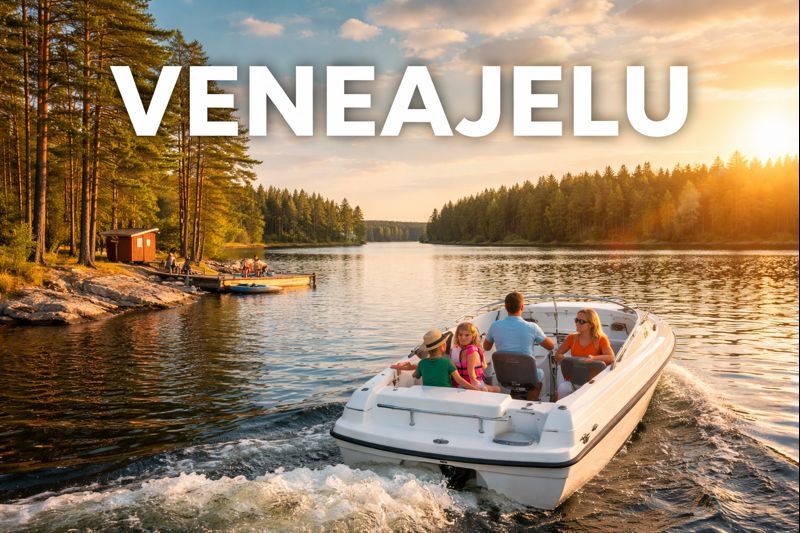
Veneajelu is more than just moving across water in a boat. It’s a feeling of freedom, calm, and connection with nature that many people crave in a fast-paced world. Whether you’re drifting across a quiet lake at sunrise or cruising along a lively coastline with friends, veneajelu offers moments that stay with you long after the engine stops. In this article, you’ll learn what veneajelu truly means, why it matters, how different people enjoy it, and how you can make the most of your time on the water safely and confidently.
This guide is designed for beginners, casual boaters, and seasoned enthusiasts alike. We’ll explore the cultural, practical, emotional, and environmental sides of veneajelu, along with real-life examples and helpful insights that go beyond surface-level advice.
What Is Veneajelu and Why It Matters
At its core, veneajelu refers to recreational boating done for pleasure rather than competition or transport. It can be slow and peaceful or energetic and social, depending on your style and surroundings. Some people enjoy it alone for reflection, while others see it as a shared experience filled with laughter and conversation.
Veneajelu matters because it creates a rare balance between movement and stillness. You’re actively navigating water, yet mentally slowing down. For many, it becomes a way to disconnect from screens and reconnect with themselves, their families, or nature itself.
From inland lakes to open seas, veneajelu adapts to nearly every environment. That flexibility is what makes it so appealing across ages, cultures, and lifestyles.
A Quick Overview of Veneajelu Styles
Different people experience veneajelu in different ways, depending on location, boat type, and purpose. The table below gives a simple overview to help you understand how varied this activity can be.
| Veneajelu Style | Typical Water | Experience Level | Common Purpose |
|---|---|---|---|
| Leisure cruising | Lakes, rivers | Beginner-friendly | Relaxation |
| Coastal boating | Sea, archipelago | Intermediate | Exploration |
| Family outings | Calm waters | Beginner | Bonding |
| Solo boating | Lakes, open water | Intermediate to advanced | Reflection |
This diversity allows veneajelu to remain accessible while still offering depth for those who want to grow into it.
The Emotional and Mental Benefits of Veneajelu
Many people underestimate the emotional impact of spending time on water. Veneajelu naturally encourages mindfulness. The rhythm of waves, the sound of water against the hull, and the open horizon help quiet mental noise.
Stress reduction is one of the most commonly reported benefits. When you’re boating, your focus shifts to navigation, balance, and surroundings. That shift gently pushes everyday worries aside. Over time, this can improve mood, patience, and overall mental clarity.
There’s also a sense of accomplishment in mastering even simple boating skills. Docking smoothly or navigating a narrow channel builds confidence that often carries over into daily life.
Veneajelu as a Social and Cultural Activity
While veneajelu can be deeply personal, it also plays a strong social role. Families use boating as a way to reconnect without distractions. Friends gather on boats to celebrate milestones or simply enjoy shared silence on the water.
In many regions, veneajelu is part of local identity. Summer traditions often revolve around boating, lakeside cabins, or coastal trips. These shared experiences create stories that are passed down through generations, strengthening community bonds.
Boating etiquette and mutual respect also come into play. Simple gestures, like slowing down near smaller boats or greeting fellow boaters, create a sense of belonging that’s unique to life on water.
Choosing the Right Boat for Veneajelu
The type of boat you use shapes your entire veneajelu experience. A small rowboat offers quiet intimacy, while a motorboat allows longer journeys and social outings. Inflatable boats provide flexibility and ease of transport, making them ideal for spontaneous trips.
Your choice should reflect how and where you plan to boat. Calm lakes favor lightweight vessels, while coastal waters demand stability and power. Comfort, safety, and maintenance needs should always be part of the decision.
Many people start small and upgrade over time. That gradual progression allows skills and confidence to grow naturally.
Safety and Responsibility on the Water
Enjoying veneajelu responsibly is essential for both personal safety and environmental protection. Knowing local rules, understanding weather conditions, and wearing appropriate safety gear are not optional details. They’re part of respectful boating.
Life jackets, proper lighting, and clear communication with passengers help prevent accidents. Equally important is knowing your own limits. Fatigue, alcohol, and overconfidence can quickly turn a relaxing outing into a dangerous situation.
Responsible veneajelu also means looking out for others. Keeping a safe distance, controlling speed, and staying alert ensure that everyone can enjoy the water peacefully.
Environmental Awareness and Sustainable Veneajelu
Water environments are delicate, and veneajelu comes with responsibility. Fuel spills, noise, and careless anchoring can damage ecosystems that take years to recover. Being mindful of your impact makes a real difference.
Simple habits help. Using eco-friendly products, respecting wildlife, and avoiding sensitive areas protect the beauty that makes veneajelu so enjoyable in the first place. Many boaters find that environmental awareness deepens their appreciation of nature rather than limiting their fun.
Sustainable veneajelu isn’t about perfection. It’s about consistent, thoughtful choices that keep waterways healthy for future generations.
Learning and Improving Your Veneajelu Skills
No one masters boating overnight. Veneajelu is a skill that grows through practice, observation, and patience. Beginners often start with basic navigation and gradually learn to read wind, currents, and weather patterns.
Learning from experienced boaters can accelerate progress. Small tips, like how to approach a dock at an angle or adjust speed in waves, make a big difference. Over time, these lessons become instinctive.
Even experienced boaters continue learning. Changing conditions and new environments ensure that veneajelu always offers room for growth.
Real-Life Experiences: Why People Fall in Love with Veneajelu
Many enthusiasts describe their first memorable boating trip as a turning point. One family recalls a quiet evening cruise that turned into an unexpected sunset picnic. Another boater shares how solo veneajelu helped them regain balance during a stressful life phase.
These stories highlight a common theme. Veneajelu isn’t about perfection or performance. It’s about presence. The moments that matter most are often unplanned and simple.
That emotional connection is why people return to boating year after year.
Veneajelu Across Seasons and Conditions
While summer is the most popular time for veneajelu, other seasons offer unique experiences. Early spring brings stillness and reflection, while autumn adds dramatic colors and cooler air. Each season changes how water behaves and how boating feels.
Adapting to conditions is part of the journey. Proper clothing, planning, and timing make year-round veneajelu possible in many regions. Those who explore beyond peak season often discover a deeper, quieter side of boating.
Seasonal awareness also builds respect for nature’s rhythms.
Conclusion
Veneajelu is a rich, multi-dimensional activity that blends relaxation, skill, and connection. It offers mental clarity, emotional balance, and shared experiences that few other hobbies can match. From choosing the right boat to practicing safe and responsible habits, every aspect of veneajelu shapes how meaningful it becomes.
By approaching boating with curiosity and respect, you unlock more than just time on the water. You create space for growth, reflection, and joy. Whether you’re just starting or returning after years away, veneajelu invites you to slow down, look around, and truly enjoy the journey.
Frequently Asked Questions (FAQs)
What does veneajelu mean in everyday terms?
Veneajelu refers to recreational boating done for enjoyment, relaxation, or social time rather than transport or competition.
Is veneajelu suitable for beginners?
Yes, veneajelu is very beginner-friendly, especially on calm waters with simple boats and basic safety knowledge.
Do you need special skills to enjoy veneajelu?
Basic navigation and safety awareness are enough to start. Skills improve naturally with experience and practice.
Can veneajelu be a solo activity?
Absolutely. Many people enjoy veneajelu alone as a peaceful and reflective experience on the water.
How can I make my veneajelu more enjoyable?
Planning ahead, respecting nature, staying safe, and choosing the right boat all contribute to a better experience.

Protocolo Operacional Padrao: How to Standardize Work That Actually Works

vRealize Infrastructure Navigator: Deep Visibility for Modern Virtual Environments

Exhentaime Explained: Culture, Meaning, and Modern Impact

How Tech Giants Envision Future Beyond Smartphones

ConnectionCafe.com: A Modern Space for Meaningful Connections
