
Blog
Musté Explained: Meaning, Uses, and Modern Relevance


Introduction
Musté is a word that immediately sparks curiosity. It feels refined, expressive, and layered with meaning, yet it doesn’t belong to just one box. In today’s fast-moving world, musté represents more than a definition; it reflects intention, necessity, and elevated choice. Whether used to describe a mindset, a standard, a product philosophy, or a personal value system, musté carries a sense of purpose that resonates across cultures and contexts.
This article explores what musté truly means, where it comes from, how it’s applied in real life, and why it matters right now. By the end, you’ll understand how musté can influence decisions, shape behavior, and even redefine how people approach quality, identity, and priorities.
What Does Musté Mean?
At its core, musté conveys the idea of something being essential yet refined. It blends necessity with discernment. Unlike a basic “must,” musté implies that what is required should also meet a higher standard of thoughtfulness, elegance, or intention.
The term is often interpreted as a conceptual expression rather than a rigid dictionary word. It suggests that not all necessities are equal. Some needs are elevated by care, taste, and purpose. That’s where musté lives: at the intersection of need and meaning.
People use musté to describe choices that aren’t impulsive or excessive. Instead, they are deliberate. A musté decision feels right because it aligns function with value.
The Origins and Evolution of Musté
Musté has a distinctly European linguistic feel, often associated with French-style expression, even when used globally. While it may not trace back to a single historical source, its structure reflects a long tradition of words that emphasize refinement and intentionality.
Over time, musté evolved from being an expressive term into a flexible concept. It began appearing in conversations around lifestyle, creativity, and personal standards. As minimalism, conscious consumption, and intentional living gained momentum, musté naturally found relevance.
Today, musté isn’t confined to language alone. It’s a way of framing what truly matters and discarding what doesn’t.
Musté as a Concept of Intentional Living
Choosing With Purpose
Living with a musté mindset means choosing fewer things, but choosing better. It’s not about denial or restriction. It’s about clarity. When something is musté, it earns its place through usefulness, meaning, or emotional resonance.
This approach helps reduce decision fatigue. Instead of asking, “Do I want this?” the question becomes, “Is this essential to how I want to live?”
Quality Over Quantity
Musté naturally favors quality. Whether applied to relationships, work, or possessions, it emphasizes durability and depth. A musté item or choice is one that continues to add value over time.
For example, a well-made jacket worn for years reflects musté more than a closet full of fast, disposable fashion. The same logic applies to habits, commitments, and goals.
Applications of Musté Across Different Areas
Lifestyle and Personal Values
In everyday life, musté helps define personal boundaries. People who adopt this mindset often report feeling less overwhelmed and more focused. They become intentional about time, energy, and attention.
Musté living encourages alignment. Actions match values. Commitments feel meaningful instead of draining.
Creativity and Design
Designers and creators often embody musté by stripping away excess. Clean lines, purposeful features, and thoughtful details define musté-driven creative work. Every element has a reason to exist.
This doesn’t mean simplicity for its own sake. It means clarity. When something is musté, it communicates without shouting.
Business and Product Philosophy
In business, musté can guide product development and service delivery. Companies that embrace musté ask deeper questions before launching anything new. Does this solve a real problem? Does it improve lives?
This mindset often results in fewer offerings, but stronger loyalty. Customers sense when something is created with care rather than urgency.
Key Characteristics of Musté
| Characteristic | Explanation |
|---|---|
| Intentional | Every choice has a clear reason behind it |
| Essential | Focuses on what truly matters, not excess |
| Refined | Balances function with taste and thought |
| Enduring | Designed to last emotionally or practically |
| Aligned | Matches values, goals, and identity |
This table highlights why musté feels different from simple necessity. It’s not about doing more. It’s about doing what counts.
Musté vs. Ordinary Necessity
Ordinary necessities are driven by immediate need. Musté necessities are guided by reflection. The difference lies in awareness.
An ordinary purchase solves a problem. A musté choice solves the right problem in the right way. It considers long-term impact, emotional satisfaction, and alignment with values.
This distinction is subtle but powerful. Over time, musté-driven decisions tend to build coherence in life rather than clutter.
A Real-World Example of Musté in Action
Consider someone redesigning their daily routine. Instead of adding productivity hacks, they remove unnecessary tasks. They keep only what supports health, focus, and creativity. Morning walks replace endless notifications. One clear priority replaces five scattered goals.
That’s musté in action. Nothing is wasted. Everything serves a purpose.
The same principle applies to teams, families, and even communities. When shared priorities become musté, collaboration improves and friction decreases.
Why Musté Matters in a Modern World
Modern life is loud. Choices are endless. Information never stops. In this environment, musté acts as a filter.
It helps people slow down without falling behind. It encourages depth in a culture obsessed with speed. Most importantly, it restores agency. People choose intentionally instead of reacting constantly.
Musté matters because it brings back meaning. It reminds us that not everything urgent is important, and not everything important needs to be loud.
Common Misunderstandings About Musté
One common misconception is that musté equals luxury. In reality, musté has nothing to do with price. A simple, affordable choice can be musté if it fulfills its purpose beautifully.
Another misunderstanding is that musté is rigid. It’s not about strict rules. It’s about awareness. What’s musté for one person may not be musté for another, and that flexibility is part of its strength.
How to Identify What Is Musté for You
Finding your own sense of musté requires reflection. Pay attention to what consistently adds value to your life. Notice what drains you without giving much back.
Ask yourself simple questions:
- Does this support who I’m becoming?
- Would I still choose this in a year?
- Does this feel aligned or forced?
Over time, patterns emerge. Those patterns point directly to your personal musté.
The Cultural Impact of Musté
As more people seek balance and meaning, musté quietly influences culture. It shows up in slower fashion cycles, thoughtful media, and intentional communities. It encourages sustainability without preaching and mindfulness without abstraction.
Musté doesn’t demand attention. It earns it.
Conclusion
Musté is more than a word; it’s a framework for better choices. It blends necessity with intention, helping people focus on what truly matters. Throughout this article, we explored the meaning of musté, its evolution, and its relevance across lifestyle, creativity, and decision-making.
By embracing a musté mindset, individuals and organizations can reduce noise, increase clarity, and build lives rooted in purpose. The takeaway is simple but powerful: choose less, choose better, and choose with intention. When something is truly musté, it doesn’t just fill a need; it enriches the whole experience.
Frequently Asked Questions (FAQs)
What does musté mean in simple terms?
Musté refers to something that is essential and intentionally chosen. It combines necessity with thoughtfulness and value.
Is musté a lifestyle or a mindset?
It’s primarily a mindset, but it often shapes lifestyle choices. People apply musté thinking to time, possessions, and priorities.
Does musté mean minimalism?
Not exactly. While it shares similarities, musté focuses more on intention and alignment than on reducing numbers alone.
Can musté apply to work and business?
Yes. Many people use musté principles to guide projects, products, and team priorities by focusing on what truly matters.
Is musté the same for everyone?
No. Musté is personal. What’s essential and meaningful varies based on values, goals, and life context.
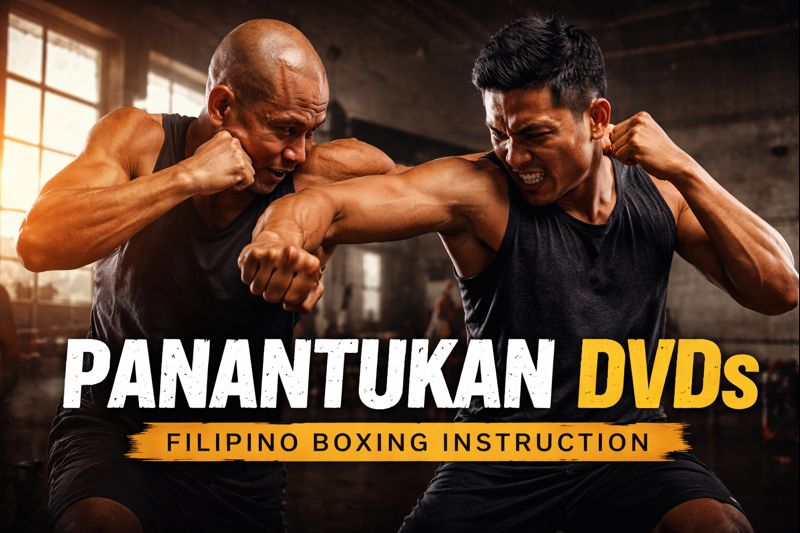
Panantukan DVDs have become a trusted learning source for martial artists who want to explore the raw, practical striking art known as Filipino boxing. Whether you’re a seasoned fighter, a cross-training enthusiast, or someone curious about realistic self-defense, panantukan offers a blend of fluid movement, street-tested tactics, and intelligent aggression. In this guide, you’ll learn what panantukan really is, why DVDs still matter in modern training, how they’re structured, and how to choose the right ones for your goals. By the end, you’ll understand why this Filipino art continues to gain respect worldwide.
What Is Panantukan?
Panantukan is often described as Filipino boxing, but that label only scratches the surface. Unlike sport boxing, panantukan integrates punches, elbows, limb destructions, off-balancing, and head control into one seamless system. It was shaped by real-world encounters rather than ring rules, which gives it a distinct edge.
The art comes from the Philippines and is closely linked to Filipino martial systems that emphasize adaptability. Practitioners learn to strike while defending, attack while evading, and flow naturally from one motion to the next. This makes panantukan both aggressive and intelligent, relying on timing and structure rather than brute strength.
What makes panantukan stand out is its realism. There’s no assumption of gloves, referees, or weight classes. Every movement is designed to work under pressure, in close range, and against unpredictable resistance.
Why Panantukan DVDs Remain Valuable Today
In an era dominated by streaming platforms, panantukan DVDs still hold a special place. They offer structured, deliberate instruction that many learners prefer over short, fragmented clips. A well-produced DVD series often reflects decades of experience distilled into progressive lessons.
DVDs allow practitioners to train at their own pace. You can pause, rewind, and revisit concepts as often as needed. This is especially helpful for panantukan, where subtle angles, hand positioning, and timing matter more than flashy techniques.
Another advantage is consistency. Panantukan DVDs usually present a complete system from a single instructor or lineage. That continuity helps students avoid confusion and build skills layer by layer, rather than jumping between conflicting approaches.
A Brief Look at Panantukan Lineages and Influences
Panantukan didn’t emerge in isolation. It evolved alongside other Filipino fighting methods, absorbing influences from weapon-based training and regional boxing traditions. Many instructors emphasize how empty-hand movements mirror blade and stick mechanics.
This connection explains why panantukan feels different from Western boxing. Strikes often target limbs as much as the head, aiming to disable rather than outscore. Footwork is angular, designed to create openings while staying protected.
Different teachers highlight different aspects. Some focus on street self-defense, while others explore panantukan as a bridge between weapons and unarmed combat. Quality panantukan DVDs usually explain these influences clearly, giving context to each technique.
Types of Panantukan DVDs Available
Not all panantukan DVDs are the same. Some focus on fundamentals, while others dive into advanced tactics. Understanding the types available can help you choose wisely.
| DVD Category | Primary Focus | Ideal For |
|---|---|---|
| Fundamentals Series | Stance, basic strikes, defense | Beginners |
| Applied Techniques | Counters, combinations, flow | Intermediate students |
| Weapon Integration | Empty hand to blade/stick transitions | Advanced practitioners |
| Self-Defense Focus | Street scenarios, awareness | Practical learners |
This variety allows panantukan DVDs to serve multiple purposes, from skill-building to personal safety training.
Core Techniques Taught in Panantukan DVDs
Most panantukan DVDs start with body mechanics. You’ll learn how to generate power without overcommitting and how to protect yourself while striking. The emphasis is always on efficiency.
Hand strikes include fists, palms, and hammering motions. Elbows play a major role, especially in close quarters. Defensive movements often double as attacks, such as checking an incoming arm while striking the opponent’s face.
Footwork is another critical element. Panantukan teaches you to step offline, create angles, and maintain balance. DVDs often demonstrate these movements slowly before showing them at combat speed, which helps learners grasp both form and function.
How Panantukan Differs From Traditional Boxing
At first glance, panantukan may resemble boxing, but the philosophy is very different. Traditional boxing is rule-based and sport-oriented. Panantukan is survival-focused.
In panantukan DVDs, you’ll see techniques that would be illegal in a ring, such as elbow strikes to vulnerable areas or attacks to the arms. The goal isn’t to score points but to end a confrontation quickly.
Another key difference is integration. Panantukan blends offense and defense into single movements. Instead of blocking then punching, you often do both at once. This mindset shift is something DVDs explain through repetition and scenario-based demonstrations.
Training Alone With Panantukan DVDs
One common question is whether panantukan DVDs are effective for solo training. The answer depends on how they’re used. DVDs excel at teaching structure, concepts, and sequences that can be practiced alone.
Shadowboxing, footwork drills, and hand coordination exercises translate well to solo practice. Many DVDs include drills designed specifically for individual training, allowing you to build muscle memory and timing.
However, panantukan is ultimately a contact art. DVDs work best when combined with partner training later on. They lay the foundation so that when you do train with others, you understand what you’re trying to apply.
Real-World Applications of Panantukan
One reason panantukan DVDs attract attention is their practicality. The techniques are designed for unpredictable situations, not controlled environments. This makes them appealing to security professionals, martial artists, and everyday people alike.
For example, a simple arm check taught in many DVDs can deflect a punch while setting up a counter. This kind of dual-purpose movement saves time and reduces risk. The art encourages awareness, positioning, and calm decision-making under stress.
Instructors often share anecdotes of how these principles work in real confrontations. These stories add depth and help viewers understand not just how to move, but why.
Choosing the Right Panantukan DVDs for You
Selecting the right panantukan DVDs depends on your background and goals. Beginners should look for programs that explain fundamentals clearly and avoid overwhelming detail. Intermediate students may prefer DVDs that explore combinations and flow.
Pay attention to teaching style. A good instructor explains concepts in plain language and demonstrates techniques from multiple angles. Clear explanations matter more than flashy production.
It’s also helpful to choose DVDs that match your training philosophy. Some emphasize self-defense scenarios, while others focus on technical development. Knowing what you want will guide your choice.
Integrating Panantukan With Other Martial Arts
Panantukan blends well with many systems. Practitioners of karate, kickboxing, or mixed martial arts often find its hand techniques and angles refreshing. Panantukan DVDs frequently highlight how the art complements other styles.
Because of its roots in weapon-based systems, panantukan also helps students understand distance and timing more deeply. This awareness transfers easily to other combat disciplines.
The key is openness. DVDs that explain underlying principles rather than rigid rules make integration smoother and more effective.
The Learning Curve and Mindset
Panantukan isn’t about memorizing dozens of techniques. It’s about developing a mindset of adaptability. DVDs that emphasize concepts over choreography tend to produce better long-term results.
At first, movements may feel unfamiliar. Over time, the logic becomes clear. The art encourages you to read your opponent, exploit openings, and stay relaxed under pressure.
This mental shift is one of the biggest benefits of studying panantukan through DVDs. You’re not just copying movements; you’re learning how to think during a confrontation.
Common Myths About Panantukan DVDs
Some people believe DVDs can’t teach a fighting art effectively. While they can’t replace live feedback entirely, high-quality panantukan DVDs come surprisingly close. They provide structure, clarity, and repetition.
Another myth is that panantukan is only for experienced fighters. In reality, many DVDs are designed for beginners and focus on simple, natural movements.
Understanding these misconceptions helps learners approach their training with realistic expectations and better results.
Conclusion
Panantukan DVDs offer a powerful gateway into Filipino boxing, combining tradition, realism, and practical instruction. They preserve the art’s core principles while making them accessible to learners worldwide. Through structured lessons, clear explanations, and real-world context, these DVDs help students develop striking skills, awareness, and confidence. Whether you’re training for self-defense or personal growth, panantukan DVDs provide a solid foundation that rewards patience and consistent practice.
Frequently Asked Questions (FAQs)
What are panantukan DVDs best used for?
They’re ideal for learning fundamentals, understanding concepts, and practicing structured drills at your own pace.
Can beginners start with panantukan DVDs?
Yes, many DVDs are designed specifically for beginners and focus on simple, effective movements.
Do panantukan DVDs include self-defense scenarios?
Most quality programs include real-world applications and situational examples to show practical use.
Is panantukan similar to kickboxing?
It shares some striking elements, but panantukan focuses more on limb control, angles, and close-range tactics.
How often should I train using panantukan DVDs?
Consistent short sessions work best, allowing you to absorb concepts and refine movement over time.
Introduction
The question of why im building capabilisense comes up more often than I expected, and the answer is deeper than a single problem or market gap. It starts with a simple realization: people, teams, and organizations often don’t truly understand what they’re capable of. Skills are scattered, potential is hidden, and decisions are made with incomplete clarity. In this article, I’ll unpack why im building capabilisense, what problem it’s designed to solve, and how it aims to change the way individuals and systems understand and grow real capabilities. By the end, you’ll understand not just the product, but the philosophy behind it and why it matters now more than ever.
Before diving deeper, it helps to understand what Capabilisense is at a glance.
| Aspect | Details |
|---|---|
| Platform name | Capabilisense |
| Core purpose | Capability discovery, mapping, and growth |
| Focus area | Human, team, and organizational capabilities |
| Primary users | Individuals, teams, enterprises, educators |
| Guiding principle | Clarity before growth |
The Core Problem That Sparked Capabilisense
The Invisible Gap Between Skills and Capability
One of the biggest misconceptions in modern work and learning is the idea that skills alone define value. Skills are often listed, certified, and quantified, yet capability is rarely understood. Capability includes judgment, adaptability, context awareness, and the ability to apply skills under real conditions. This gap creates confusion for individuals and inefficiency for organizations.
When I reflected on why im building capabilisense, this invisible gap stood out. People were being evaluated on surface-level indicators while deeper strengths went unnoticed. That disconnect leads to burnout, misalignment, and missed opportunities.
Personal Encounters With Misalignment
I’ve seen talented people stuck in roles that never allowed them to thrive. I’ve also seen teams fail not because they lacked skill, but because their collective capability was misunderstood. These experiences weren’t isolated. They repeated across industries, cultures, and career stages.
Capabilisense was born from these moments. It’s an attempt to turn confusion into clarity and replace guesswork with insight.
What Capabilisense Is Designed to Do Differently
Moving Beyond Static Labels
Traditional systems rely heavily on static labels. Job titles, resumes, and checklists try to summarize complex humans into neat boxes. Capabilisense challenges that approach by treating capability as dynamic, contextual, and evolving.
Instead of asking, “What skills do you have?”, the platform asks deeper questions. How do you apply them? Under what conditions do you perform best? What patterns emerge over time?
This shift is central to why im building capabilisense. It’s about honoring complexity rather than oversimplifying it.
Capability as a Living System
Capabilities aren’t fixed assets. They grow, fade, combine, and transform. Capabilisense models capability as a living system rather than a static inventory. This allows users to see growth trajectories instead of frozen snapshots.
For example, two people may share the same technical skill, but their decision-making, resilience, and collaboration capabilities can differ drastically. Capturing that nuance changes everything from hiring to learning paths.
The Human Philosophy Behind Capabilisense
Designed for Humans, Not Just Metrics
Many platforms unintentionally reduce people to numbers. While data is useful, it shouldn’t erase humanity. Capabilisense is intentionally built with a human-first philosophy, where reflection and understanding come before measurement.
This philosophy shapes every design decision. From language to interaction flow, the goal is to help users feel seen rather than assessed.
Empowerment Through Self-Awareness
Self-awareness is one of the most underrated capabilities. When people understand their strengths and limits, they make better choices. Capabilisense acts as a mirror, helping users recognize patterns they may have never articulated.
That empowerment is a core reason why im building capabilisense. Growth becomes intentional instead of accidental.
How Capabilisense Supports Multiple Contexts
Individuals Navigating Complex Careers
Careers today are rarely linear. People pivot, reskill, and reinvent themselves multiple times. Capabilisense helps individuals understand which capabilities transfer across roles and which need development.
Instead of starting from zero during a transition, users can build on what they already have. That confidence changes how people approach opportunity.
Teams Seeking Better Alignment
Teams often struggle not because of conflict, but because of misaligned capabilities. Capabilisense helps teams visualize collective strengths and gaps, making collaboration more intentional.
When teams understand who excels under pressure, who brings strategic clarity, and who drives execution, trust increases naturally.
Organizations Making Smarter Decisions
At scale, misunderstanding capability becomes costly. Capabilisense supports organizations by providing clearer insight into talent distribution and growth potential. Decisions around hiring, development, and succession become more grounded.
The following table highlights how Capabilisense contrasts with traditional approaches.
| Area | Traditional Approach | Capabilisense Approach |
|---|---|---|
| Evaluation | Static skill lists | Dynamic capability patterns |
| Growth | Generic training paths | Context-aware development |
| Decision-making | Assumptions and proxies | Evidence-based insight |
| Human experience | Transactional | Reflective and empowering |
Why Timing Matters More Than Ever
Complexity Is the New Normal
Work, education, and society are becoming more complex. Simple frameworks no longer capture reality. This complexity demands better tools for understanding capability in context.
That urgency heavily influences why im building capabilisense now. Waiting means continuing to rely on outdated models that no longer serve us.
The Cost of Misunderstanding Potential
When potential is misunderstood, people disengage. Organizations lose innovation. Communities stagnate. Capabilisense aims to reduce that cost by making potential visible and actionable.
In a world moving fast, clarity becomes a competitive advantage and a personal anchor.
A Practical Example of Capability Insight
Imagine two project managers with similar experience. On paper, they look identical. Through Capabilisense, one reveals a strong capability for navigating ambiguity and stakeholder tension. The other excels at process stability and long-term planning.
Neither is better. They’re different. Knowing that difference allows each to be placed where they thrive. That’s the kind of practical insight Capabilisense is built to deliver.
Challenges in Building Capabilisense
Avoiding Oversimplification
One of the hardest parts of building Capabilisense is resisting oversimplification. It’s tempting to compress complexity into easy scores, but that would defeat the purpose.
The platform balances structure with openness, allowing patterns to emerge without forcing rigid conclusions.
Building Trust With Users
Trust is essential. People must feel safe exploring their capabilities honestly. That means transparency, respectful design, and clear intent. Capabilisense is built to earn trust over time, not demand it upfront.
The Broader Vision for Capability Intelligence
From Awareness to Action
Insight alone isn’t enough. Capabilisense is designed to help users turn awareness into action. Whether that’s personal growth, team redesign, or strategic planning, insight becomes a starting point.
This action-oriented mindset is central to why im building capabilisense. Understanding should lead somewhere meaningful.
Shaping a More Aligned Future
Imagine a world where people are consistently placed where they can do their best work. Where growth paths reflect real potential. Where decisions feel fair because they’re informed.
Capabilisense is a step toward that future. Not perfect, but intentional.
Conclusion
The answer to why im building capabilisense lies in a simple belief: people and organizations deserve a clearer understanding of what they’re truly capable of. Skills alone don’t tell the full story. Capability does. Throughout this article, we explored the gaps Capabilisense addresses, the human philosophy behind it, and the practical impact it aims to create across individuals, teams, and organizations.
Capabilisense matters because clarity unlocks growth. When capability is understood, decisions improve, alignment increases, and potential is no longer wasted. The journey of building it is challenging, but the purpose is clear. For anyone seeking deeper insight into themselves or the systems they’re part of, capability intelligence isn’t a luxury. It’s a necessity.
Frequently Asked Questions (FAQs)
What is Capabilisense in simple terms?
Capabilisense is a platform focused on understanding and developing real capabilities, not just listing skills. It helps individuals and organizations see how strengths are applied in real contexts.
Who is Capabilisense built for?
It’s designed for individuals, teams, and organizations that want clearer insight into potential, growth, and alignment across different environments.
How is capability different from skill?
A skill is something you know how to do. Capability includes how, when, and how well you apply that skill under real conditions.
Is Capabilisense only for professional use?
No. While it’s useful for work and organizations, it also supports personal growth, learning, and self-awareness in broader life contexts.
What makes Capabilisense unique?
Its focus on dynamic, human-centered capability understanding sets it apart. It values reflection, context, and growth over static labels.
Introduction
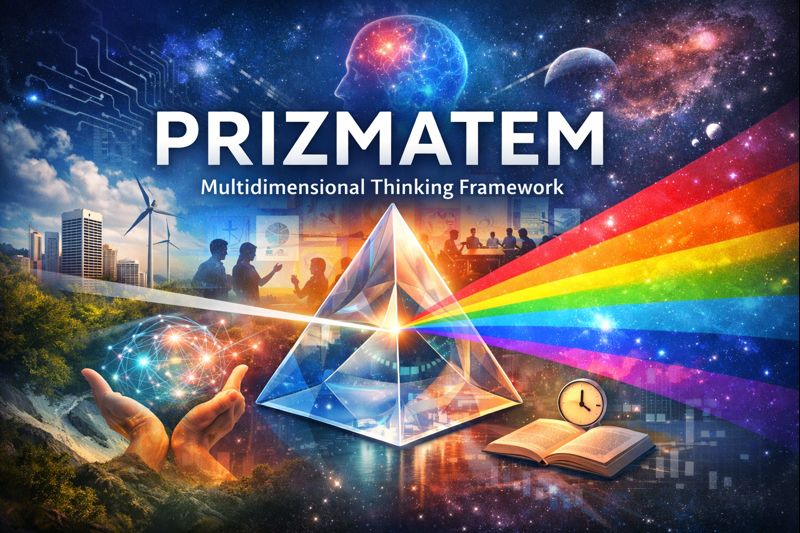
In a world that’s increasingly complex, interconnected, and fast-moving, old ways of understanding problems often fall short. This is where prizmatem comes in. Rather than forcing ideas into rigid categories, prizmatem encourages a way of thinking that views any subject through multiple, intersecting lenses at once. In simple terms, it’s about seeing the full spectrum instead of a single color. In this article, you’ll learn what prizmatem truly means, where it comes from, how it’s applied across different fields, and why it matters for individuals, teams, and organizations trying to make better decisions in uncertain environments.
The concept may sound abstract at first, but its value becomes clear once you see how it mirrors real life. Problems rarely have one cause, and solutions rarely affect just one area. Prizmatem gives language and structure to that reality, helping people think more clearly, act more wisely, and adapt more confidently.
What Is Prizmatem?
At its core, prizmatem is a conceptual framework built around multidimensional analysis. The name comes from the idea of a prism, which splits a single beam of light into many visible colors. Similarly, prizmatem takes a single idea, challenge, or system and examines it through multiple dimensions at the same time.
Unlike linear thinking, which follows a straight line from problem to solution, prizmatem thinking accepts complexity as a feature, not a flaw. It assumes that most meaningful issues are influenced by social, technical, emotional, cultural, and practical factors all at once. Ignoring any one of these can lead to incomplete understanding or fragile outcomes.
Prizmatem is not a rigid method or step-by-step formula. Instead, it’s a mindset that can be adapted to different contexts. Whether you’re designing a product, planning a strategy, teaching students, or navigating personal decisions, it invites you to pause and ask, “What other angles matter here?”
The Core Dimensions of Prizmatem Thinking
A Multi-Lens Approach to Understanding
One of the defining traits of prizmatem is its use of multiple lenses. Each lens represents a dimension that influences how a situation unfolds. These lenses can change depending on context, but the principle remains the same: no single viewpoint tells the whole story.
For example, when evaluating a new idea, prizmatem encourages you to consider not just whether it works technically, but also how people will feel about it, how it fits into existing systems, and what long-term effects it may trigger. This layered view reduces blind spots and surfaces insights that might otherwise stay hidden.
Balancing Structure and Flexibility
Another important aspect is balance. Prizmatem provides enough structure to guide thinking, but not so much that it limits creativity. You’re not locked into predefined boxes. Instead, you’re free to adjust the dimensions as new information appears.
This balance makes prizmatem especially useful in environments where change is constant. It allows people to stay grounded while remaining open to adaptation, which is a rare but powerful combination.
A Quick Overview of Prizmatem Dimensions
| Dimension Type | What It Focuses On | Why It Matters |
|---|---|---|
| Human | Emotions, behaviors, values | Ensures decisions align with real people |
| Systemic | Processes, structures, dependencies | Prevents unintended consequences |
| Contextual | Culture, timing, environment | Keeps ideas relevant and grounded |
| Practical | Resources, feasibility, execution | Bridges theory and action |
| Future-Oriented | Long-term impact, adaptability | Supports sustainable outcomes |
This table isn’t a fixed rulebook. Instead, it’s a starting point that helps illustrate how prizmatem organizes complexity into manageable perspectives.
Where Did Prizmatem Originate?
Prizmatem didn’t emerge from a single discipline. It evolved organically from the intersection of systems thinking, design philosophy, and interdisciplinary problem-solving. As challenges in business, education, and society grew more interconnected, thinkers began to realize that siloed approaches no longer worked.
Rather than inventing yet another rigid model, prizmatem developed as a response to real-world frustration. People needed a way to think holistically without becoming overwhelmed. The prism metaphor captured that need perfectly, offering a mental image that’s both intuitive and powerful.
Over time, the term prizmatem has been adopted informally by practitioners who value clarity without oversimplification. Its strength lies in its adaptability, not in strict definitions.
Practical Applications of Prizmatem Across Fields
Prizmatem in Business and Leadership
In business, decisions often ripple across departments, customers, and markets. A purely financial or operational view can miss critical human or cultural factors. Prizmatem helps leaders see those ripples before they turn into waves.
For instance, a company considering a major policy change might analyze costs and efficiency first. With prizmatem, they would also explore employee morale, brand perception, and long-term adaptability. This broader view often leads to smarter, more resilient strategies.
Leaders who adopt prizmatem thinking tend to communicate more clearly and anticipate resistance earlier. That doesn’t eliminate challenges, but it makes them easier to navigate.
Prizmatem in Education and Learning
Learning is rarely one-dimensional. Students bring different backgrounds, motivations, and learning styles into the same classroom. Prizmatem supports teaching approaches that honor this diversity.
Educators using prizmatem might design lessons that combine theory, real-world application, emotional engagement, and reflection. This creates a richer learning experience that sticks longer and feels more meaningful.
It also helps learners themselves. When students analyze problems through multiple lenses, they develop critical thinking skills that extend far beyond exams.
Prizmatem in Technology and Innovation
Innovation often fails not because ideas are bad, but because they ignore context. A technically brilliant solution can still struggle if it doesn’t fit user behavior or cultural expectations.
Prizmatem helps innovators test ideas against multiple realities. It encourages teams to ask how a solution will be used, misunderstood, resisted, or adapted. That awareness reduces costly missteps and increases adoption.
In fast-moving fields, this kind of thinking becomes a competitive advantage, even if it’s not always labeled as such.
Prizmatem vs. Linear Thinking
Why Linear Thinking Falls Short
Linear thinking assumes clear cause-and-effect relationships. While this works for simple tasks, it struggles with complex systems. Real-world challenges often involve feedback loops, delays, and competing priorities.
When people rely solely on linear thinking, they may fix one problem while accidentally creating another. This is common in policy decisions, organizational changes, and even personal goal-setting.
How Prizmatem Complements It
Prizmatem doesn’t reject linear thinking. Instead, it builds on it. You can still analyze steps and outcomes, but you also consider how those steps interact with broader systems.
Think of linear thinking as a map and prizmatem as the terrain. Both are useful, but only together do they give you a reliable sense of direction.
A Simple Case Study: Applying Prizmatem in Real Life
Imagine a mid-sized organization transitioning to remote work. A linear approach might focus on tools and schedules. A prizmatem approach goes further.
Leaders examine employee well-being, communication norms, home environments, team cohesion, and long-term culture. They recognize that productivity isn’t just about software, but about trust and clarity.
By addressing these multiple dimensions, the organization not only survives the transition but becomes more flexible and resilient. This is prizmatem in action, even if no one explicitly names it.
Why Prizmatem Matters in Everyday Decision-Making
You don’t need to be a leader or expert to benefit from prizmatem. Everyday decisions also carry hidden dimensions. Choosing a career path, managing relationships, or planning major life changes all involve trade-offs.
Prizmatem helps you slow down just enough to see those trade-offs clearly. It encourages reflection without paralysis. Over time, this habit leads to choices that feel more aligned and less reactive.
People who naturally think this way often describe it as “seeing the bigger picture.” Prizmatem simply gives structure to that instinct.
Common Misunderstandings About Prizmatem
Some assume prizmatem is too abstract to be useful. In reality, its value lies in application, not theory. Others think it requires expert knowledge. It doesn’t. Curiosity and openness matter more than credentials.
Another misconception is that prizmatem makes decisions slower. While it may add reflection upfront, it often saves time later by reducing rework and conflict.
Understanding these points helps people use prizmatem more confidently and effectively.
Conclusion
Prizmatem offers a powerful way to navigate complexity without losing clarity. By encouraging multidimensional thinking, it helps individuals and organizations understand problems more fully and respond more thoughtfully. Throughout this article, we explored what prizmatem means, how it works, and where it can be applied, from leadership and education to technology and everyday life.
The key takeaway is simple but profound: most meaningful challenges deserve more than a single viewpoint. When you adopt prizmatem thinking, you don’t just solve problems. You understand them. That understanding leads to decisions that are more human, more resilient, and more future-ready.
Frequently Asked Questions (FAQs)
What does prizmatem mean in simple terms?
Prizmatem is a way of thinking that looks at ideas or problems from multiple perspectives at once. It helps people see complexity clearly without becoming overwhelmed.
Is prizmatem a formal method or a mindset?
It’s best described as a mindset. Prizmatem doesn’t follow strict steps but adapts to different situations and needs.
Can prizmatem be used in personal life?
Yes, prizmatem works well for personal decisions, relationships, and long-term planning. It encourages balanced, thoughtful choices.
How is prizmatem different from critical thinking?
Critical thinking focuses on analysis and logic. Prizmatem includes that, but also considers emotional, contextual, and systemic factors.
Do you need training to use prizmatem?
No formal training is required. Anyone can begin using prizmatem by consciously considering multiple dimensions before making decisions.

Protocolo Operacional Padrao: How to Standardize Work That Actually Works

vRealize Infrastructure Navigator: Deep Visibility for Modern Virtual Environments

Exhentaime Explained: Culture, Meaning, and Modern Impact

How Tech Giants Envision Future Beyond Smartphones

ConnectionCafe.com: A Modern Space for Meaningful Connections
